

Trauma doesn’t have to define the rest of your life.
The effects of trauma — including PTSD and adjustment disorder — are real and treatable. Healing is possible with the right support.

What is Trauma & PTSD?
Trauma-related conditions develop after overwhelming, frightening or deeply stressful experiences — a single event or ongoing adversity. They include posttraumatic stress disorder (PTSD) and adjustment disorder, and they’re far more common than most people realize.
Wave offers compassionate, physician-led treatment that combines medication, supportive care and, where appropriate, advanced options — helping you move from surviving to living.
Trauma can affect the mind and body in lasting ways. Common signs include:
Re-experiencing
- Intrusive memories, flashbacks or nightmares
- Distress at reminders of the event
- Feeling as if it’s happening again
Avoidance & Mood
- Avoiding reminders, places or conversations
- Numbness, detachment or loss of interest
- Persistent guilt, shame or negative beliefs
Arousal
- Being easily startled or always “on guard”
- Irritability, anger or trouble sleeping
- Difficulty concentrating
In crisis? If you’re having thoughts of suicide or self-harm, help is available right now. Call or text 988 to reach the Suicide & Crisis Lifeline, any time, day or night.
Explore trauma & ptsd


How it’s diagnosed at Wave
Diagnosis is a gentle, paced process — we never push you to relive more than you’re ready to. We identify how symptoms are affecting your life and distinguish PTSD from adjustment disorder and other conditions like depression or anxiety.
You stay in control of the conversation throughout. The goal is understanding and a plan, not re-traumatization.
Healing from trauma is possible. Wave offers:
Every plan is individualized — you’ll feel seen, not processed.
Medication Management
Careful prescribing, ongoing monitoring and genetic testing to match you with the right medication at the right dose.
Supportive Psychotherapy
Talk-based support integrated with your medical care, focused on coping skills and steady, measurable progress.
Interventional Psychiatry
Advanced, procedure-based care — TMS, Spravato and ketamine — for symptoms that medication alone hasn’t resolved.
TMS Therapy
Non-invasive magnetic stimulation — FDA-approved for depression and OCD — with no medication and no downtime.
Ketamine & Spravato
FDA-approved Spravato (esketamine) and ketamine for treatment-resistant depression, under close medical monitoring.
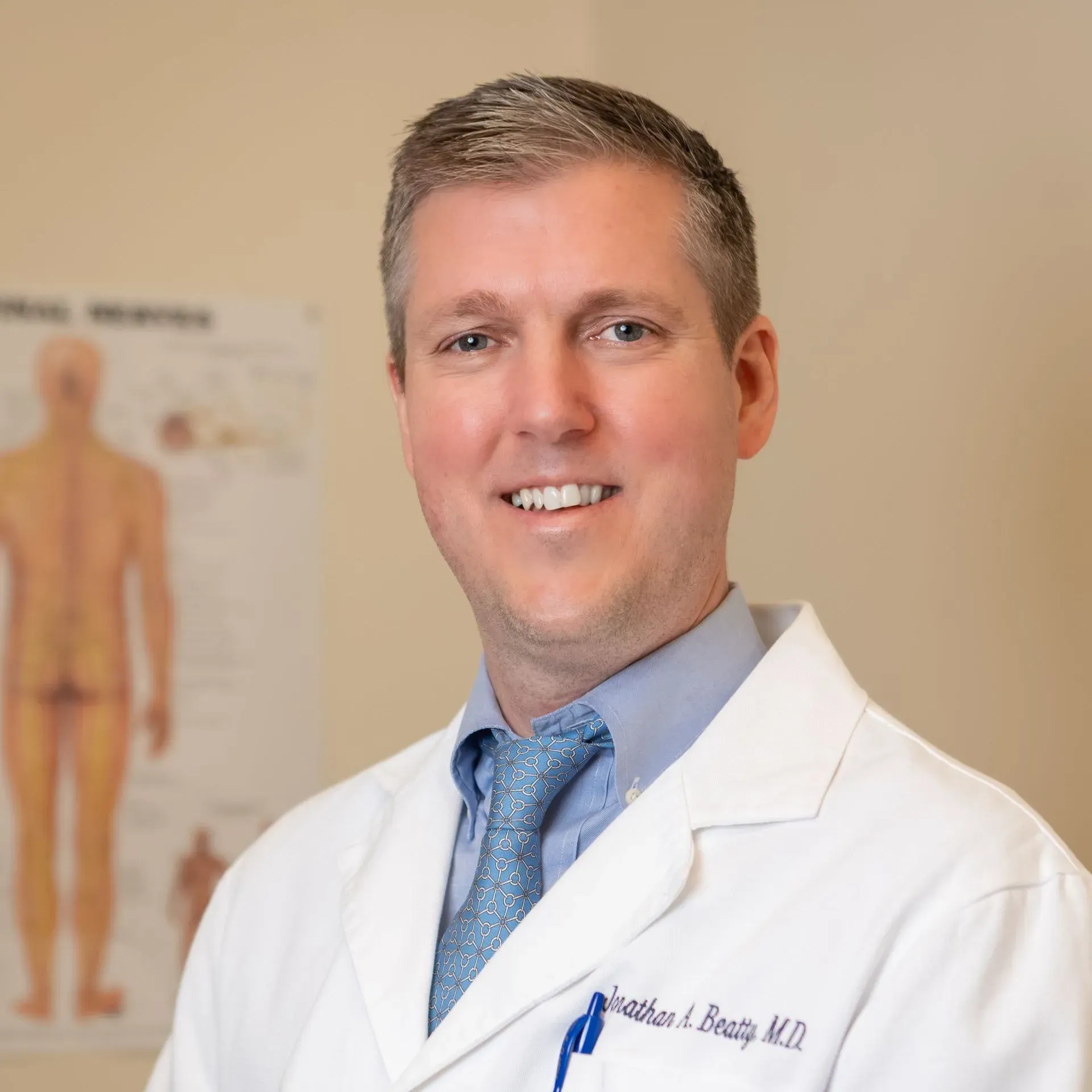
Care led by a triple board-certified physician
Wave Treatment Centers is led by Dr. Jonathan Beatty, a triple board-certified physician in psychiatry & neurology, addiction medicine and pain medicine, and a Fellow of the American Psychiatric Association. With more than 18 years of experience, he treats the cases other practices send onward — including complex and treatment-resistant presentations.
Because Wave combines everyday psychiatric care with advanced, interventional options under one roof, your plan can evolve as you do — from medication management to TMS, Spravato or ketamine — without starting over with a new provider.
Meet Dr. BeattyYour first appointment
Your first visit is a thorough evaluation. You’ll find a welcoming environment where our highly trained staff work to understand your history, your symptoms, and what you’re hoping to change.
While an evaluation is not a guarantee of a prescription, if medication is deemed appropriate, we’ll work closely with you to ensure you understand the risks and benefits. Together we’ll outline a personalized plan and the next steps that fit your life.
Most new patients are seen within one to two weeks — and care is available both in person and through secure, HIPAA-compliant telemedicine across Pennsylvania, Florida and New Jersey.
Trauma & PTSD FAQ
Do I have to talk about the trauma in detail?
Not before you’re ready. Effective treatment doesn’t require reliving everything; we move at your pace and prioritize your sense of safety throughout.
Can PTSD be treated even years later?
Yes. Trauma can be treated whether it happened recently or long ago. Many people find meaningful relief even decades after the original event.
What treatments help PTSD?
A combination of medication and supportive therapy helps most people. For symptoms that persist, we also consider advanced options like TMS and ketamine as part of an individualized plan.
Ready when you are.
Reaching out takes courage. Your conversation with us is confidential, compassionate, and pressure-free — schedule whenever you’re ready.